
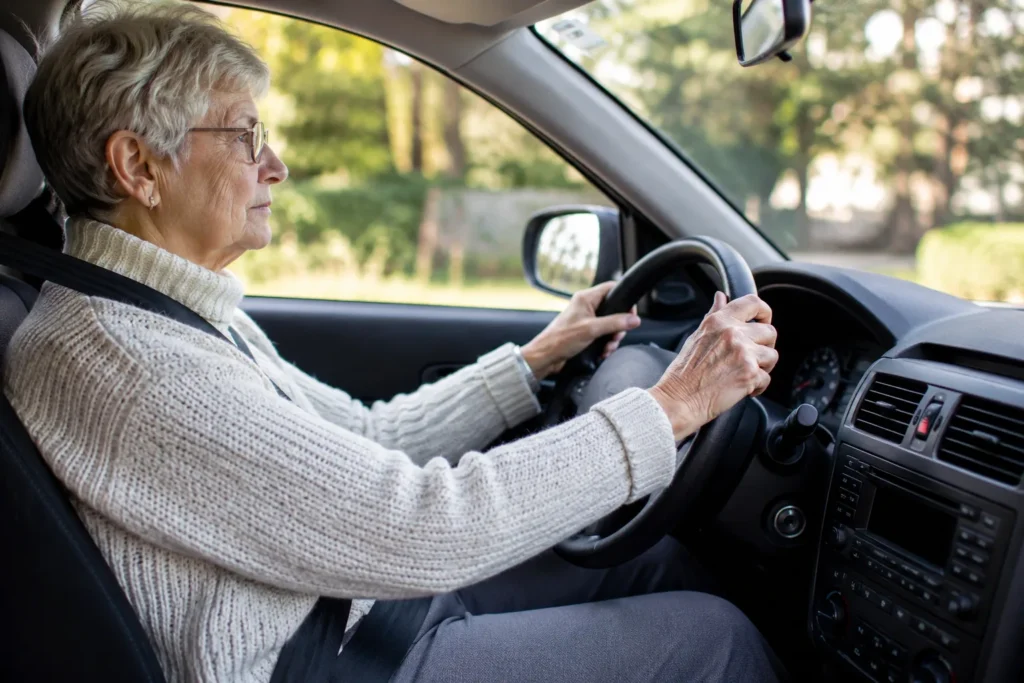
For many older adults, driving represents much more than transportation. It provides freedom, independence, and the ability to stay connected with family, friends, healthcare providers, and community activities. As people age, however, changes in vision, physical mobility, reaction time, and overall health can affect driving performance.
The good news is that growing older does not automatically mean giving up driving. With regular evaluations, proactive health management, and the right support, many older adults can continue driving safely for years to come.
Understanding How Aging Can Affect Driving
Aging affects everyone differently. Some individuals remain highly capable drivers well into their later years, while others may begin experiencing challenges that impact road safety.
Common age-related changes that may affect driving include:
Changes in Vision
Good vision is essential for safe driving. Older adults may experience:
- Difficulty seeing road signs clearly
- Increased sensitivity to glare from headlights
- Reduced night vision
- Trouble judging distance and speed
Regular eye examinations can help identify issues early and ensure corrective lenses remain up to date.
Reduced Physical Mobility
Driving requires flexibility, strength, and coordination. Conditions such as arthritis, joint stiffness, or muscle weakness can make it harder to:
- Turn the head when checking blind spots
- Move quickly between pedals
- Grip and control the steering wheel
- Enter and exit the vehicle safely
Slower Reaction Time
Reaction times naturally slow with age. This may affect how quickly a driver can:
- Respond to sudden traffic changes
- Brake during emergencies
- Avoid unexpected hazards
Cognitive Changes
Some older adults may experience mild cognitive changes that affect:
- Decision-making
- Attention and concentration
- Navigation
- Processing multiple sources of information
Recognizing these changes early allows individuals and families to take appropriate steps before safety becomes a concern.
Signs It May Be Time for a Driving Evaluation
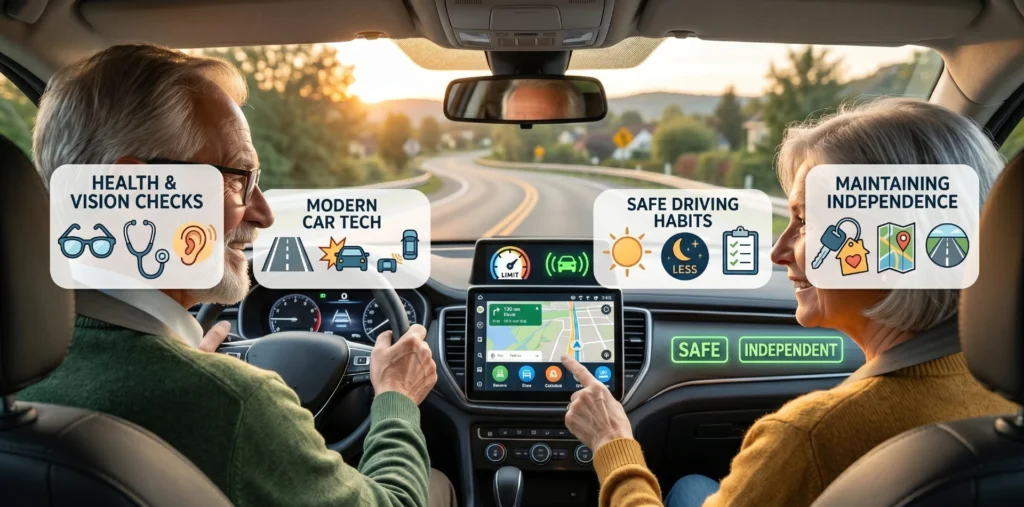
Many driving difficulties develop gradually, making them easy to overlook.
Warning signs can include:
- Getting lost on familiar routes
- Missing traffic signs or signals
- Increased close calls or minor accidents
- Difficulty maintaining lane position
- Receiving traffic citations
- Confusion at intersections
- Family members expressing concerns about driving
Experiencing one or more of these signs does not necessarily mean someone should stop driving. It does indicate that a professional evaluation may be beneficial.
The Value of a Professional Driving Evaluation
A comprehensive driving evaluation provides an objective assessment of a person’s ability to drive safely.
Unlike a standard driver’s test, a driving evaluation examines multiple factors that influence driving performance, including:
- Vision and visual perception
- Physical strength and range of motion
- Cognitive abilities
- Reaction time
- Vehicle control skills
- On-road driving performance
A professional evaluation can help identify strengths, address concerns, and provide recommendations that support continued driving independence whenever possible.
How Occupational Therapy Supports Driving Independence
Occupational therapists with specialized driver rehabilitation training play an important role in helping older adults remain safe drivers.
These professionals evaluate how medical conditions and age-related changes affect driving abilities. They can recommend strategies and adaptations that improve safety and confidence behind the wheel.
Recommendations may include:
- Driver retraining programs
- Vehicle modifications
- Adaptive driving equipment
- Changes to driving habits
- Medical follow-up when necessary
The goal is not simply to determine whether someone can drive. The goal is to help individuals drive as safely and independently as possible.
Adaptive Equipment Can Make Driving Easier
Many older adults can continue driving safely with the help of adaptive equipment.
Depending on individual needs, solutions may include:
Hand Controls
For drivers with lower extremity weakness or limited mobility, hand controls can provide safe operation of acceleration and braking functions.
Steering Devices
Specialized steering aids can help individuals who have limited grip strength or reduced arm mobility maintain vehicle control.
Extended Mirrors
Additional mirror systems can improve visibility and reduce blind spots.
Seat and Transfer Solutions
Vehicle modifications can make entering, exiting, and positioning within the vehicle easier and safer.
An experienced driver rehabilitation specialist can determine which adaptations may be appropriate.
Tips for Maintaining Safe Driving Habits
Older adults can improve driving safety by adopting smart driving practices.
Consider these recommendations:
- Avoid driving when tired.
- Limit nighttime driving if vision is reduced.
- Plan routes in advance.
- Drive during good weather whenever possible.
- Allow extra following distance.
- Minimize distractions inside the vehicle.
- Schedule regular medical and vision examinations.
Small adjustments can significantly improve safety and confidence on the road.
Talking About Driving With Family Members
Conversations about driving can be difficult for both older adults and their families. Because driving is closely tied to independence, concerns about safety may feel emotional.
When discussing driving:
- Focus on safety rather than age.
- Listen to concerns respectfully.
- Seek professional guidance when needed.
- Explore solutions before considering driving retirement.
- Involve healthcare professionals when appropriate.
A professional driving evaluation often provides the objective information families need to make informed decisions.
When Driving Retirement Becomes Necessary
While many older adults can continue driving safely, there may come a time when driving is no longer the safest option.
If driving retirement becomes necessary, planning ahead can ease the transition.
Alternative transportation options may include:
- Family and friends
- Community transportation programs
- Ride-sharing services
- Public transportation
- Senior transportation resources
Maintaining mobility remains important for health, social engagement, and overall quality of life.
Supporting Independence Through Safe Driving
Driving independence can often be preserved through early intervention, professional evaluations, and individualized support. Rather than waiting for a serious incident to occur, older adults and their families should proactively monitor driving abilities and seek guidance when concerns arise.
A comprehensive driving evaluation can provide valuable insights, helping individuals remain safe, confident, and independent for as long as possible.
Frequently Asked Questions
Does turning 65 mean I should stop driving?
No. Age alone does not determine driving ability. Many adults continue driving safely for years after age 65. The focus should be on overall health, functional abilities, and driving performance.
How often should older adults have their driving skills evaluated?
There is no universal recommendation. However, evaluations may be beneficial after significant medical changes, surgeries, or when concerns arise regarding driving safety.
What is a driver rehabilitation specialist?
A driver rehabilitation specialist is a professional trained to assess driving abilities and recommend strategies, training, or adaptive equipment to improve safety and independence.
Can adaptive equipment help older drivers remain independent?
Yes. Adaptive driving equipment can address specific physical limitations and allow many individuals to continue driving safely.
What should families do if they are concerned about a loved one’s driving?
Families should have open, respectful conversations and consider scheduling a professional driving evaluation to obtain an objective assessment.