
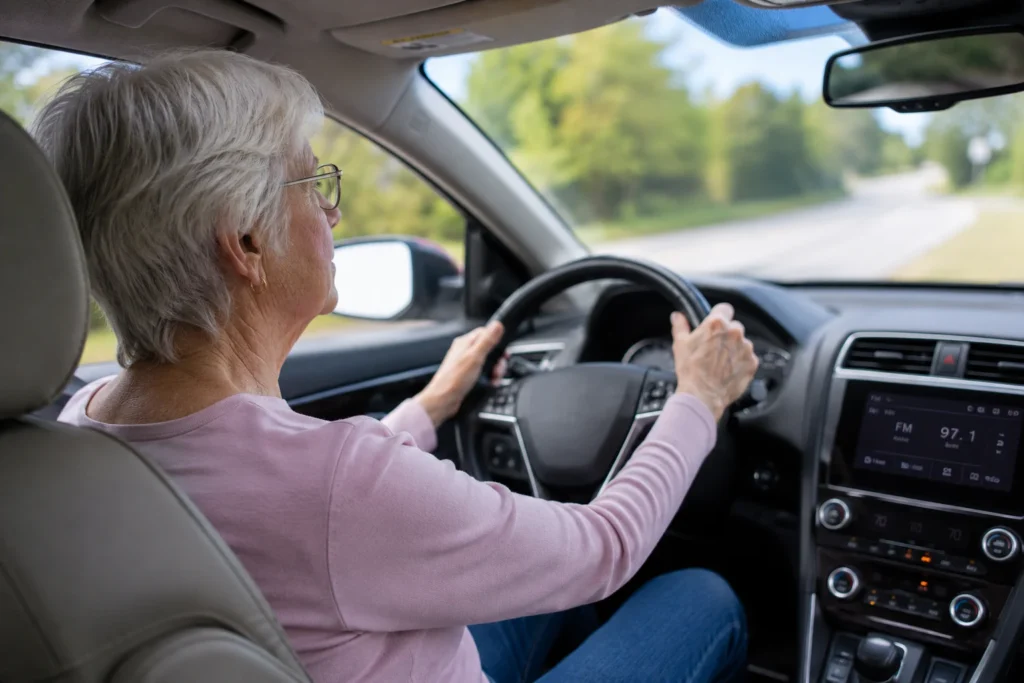
Driving represents freedom, independence, and confidence for many older adults. Whether it’s visiting friends, attending appointments, or running daily errands, being able to drive helps seniors maintain an active lifestyle. However, aging can bring physical and cognitive changes that may affect driving ability and overall road safety.
At DriveAbility LLC, we understand how important safe driving is for older adults and their families. Recognizing the warning signs early and taking proactive steps can help seniors continue driving safely for as long as possible.
How Aging Can Affect Driving Ability
As people age, natural changes in the body and mind may impact driving performance. Some changes happen gradually, making them difficult to notice at first. Understanding these factors can help older adults stay aware and make safer driving decisions.
Stiff Joints and Reduced Flexibility
Aging often leads to stiff joints, muscle weakness, or conditions like arthritis. These physical limitations can make it harder to:
- Turn the head to check blind spots
- Grip and turn the steering wheel quickly
- Press the brake pedal safely
- React quickly during emergencies
For seniors with leg or mobility challenges, adaptive driving equipment such as hand controls may improve safety and comfort while driving.
Vision Changes
Good eyesight is essential for safe driving. Unfortunately, vision naturally changes with age. Older adults may experience:
- Difficulty reading road signs
- Trouble seeing pedestrians or vehicles
- Increased sensitivity to glare
- Reduced night vision
- Slower adjustment to bright lights
Eye conditions such as glaucoma, cataracts, and macular degeneration can further reduce driving safety. Regular eye exams are extremely important, especially after age 60.
Hearing Loss
Hearing helps drivers recognize important warning sounds such as:
- Emergency sirens
- Car horns
- Railroad crossing signals
- Mechanical vehicle problems
Age-related hearing loss can make it harder to respond appropriately to dangerous situations on the road. Seniors should have their hearing tested regularly and use hearing aids when prescribed.
Medication Side Effects
Many prescription and over-the-counter medications can affect alertness and coordination. Some medications may cause:
- Drowsiness
- Dizziness
- Blurred vision
- Slower reaction times
- Confusion
Older adults should always discuss medication side effects with their doctor or pharmacist before driving.
Slower Reflexes and Reaction Time
Reaction time naturally slows with age. Combined with reduced strength or flexibility, this may make it harder to:
- Brake suddenly
- Respond to traffic changes
- Avoid hazards
- Steer quickly during emergencies
Conditions that affect coordination, such as Parkinson’s disease or stroke-related limitations, may make driving unsafe altogether.
Dementia and Driving Safety
In the early stages of Alzheimer’s disease or other forms of dementia, some individuals may still drive safely for a limited period. However, as memory, judgment, and decision-making abilities decline, driving becomes increasingly dangerous.
Common warning signs include:
- Getting lost on familiar routes
- Missing traffic signals
- Forgetting destinations
- Confusing the brake and gas pedals
- Delayed decision-making
Family members often notice driving problems before the person with dementia recognizes them. Open communication and professional driving evaluations can help families determine when it’s time to stop driving safely.
Tips for Older Adults to Drive Safely
There are many ways seniors can reduce risks and continue driving more safely.
Stay Physically Active
Regular exercise can improve:
- Flexibility
- Strength
- Balance
- Coordination
Even light physical activity may help older adults maintain better control while driving.
Choose a Safer Vehicle
Modern vehicles offer safety features that can help older drivers, including:
- Backup cameras
- Blind spot monitoring
- Automatic emergency braking
- Power steering and brakes
- Larger mirrors
Automatic transmission vehicles may also be easier for some seniors to operate comfortably.
Protect Your Vision and Hearing
- Wear updated prescription glasses or contact lenses
- Use hearing aids if needed
- Schedule regular vision and hearing exams
These simple steps can greatly improve driving awareness.
Avoid High-Risk Driving Conditions
Older adults may benefit from avoiding:
- Night driving
- Heavy traffic
- Rush hour
- Poor weather conditions
- Unfamiliar routes
Driving during daylight hours on familiar roads can significantly reduce stress and accident risk.
Minimize Distractions
Safe driving requires full attention. Older drivers should:
- Avoid texting or holding phones
- Limit eating while driving
- Reduce loud conversations
- Program GPS directions before driving
Leave Extra Space
Maintaining a larger following distance provides additional time to react if traffic suddenly stops.
How to Check Driving Skills
Many seniors benefit from professional driving evaluations. A driving rehabilitation specialist or occupational therapist can assess:
- Vision
- Reaction time
- Cognitive skills
- Physical mobility
- Overall driving safety
At DriveAbility LLC, our driver rehabilitation services help older adults evaluate their abilities and explore adaptive driving solutions that support independence and safety.
Signs It May Be Time to Stop Driving
Giving up driving is a difficult decision, but safety must come first. Warning signs that driving may no longer be safe include:
- Frequent close calls or accidents
- New dents or scrapes on the vehicle
- Getting lost frequently
- Difficulty staying in the correct lane
- Trouble judging traffic speed
- Increased anxiety while driving
- Traffic tickets or warnings
- Confusing pedals
- Family or doctor concerns about driving ability
If these signs appear, a professional driving assessment can help determine the safest next steps.
Talking to a Loved One About Driving
Conversations about stopping driving can be emotional. For many older adults, driving represents independence and freedom.
Here are a few ways families can approach the discussion:
Focus on Safety
Avoid blaming or criticizing. Instead, express concern for the person’s safety and the safety of others.
Be Supportive
Acknowledge how difficult the transition may feel and offer emotional support.
Offer Transportation Alternatives
Help explore other options such as:
- Family transportation
- Ride-sharing services
- Public transportation
- Community senior transportation programs
- Grocery and prescription delivery services
Introduce the Topic Gradually
Sometimes ongoing conversations work better than one difficult discussion.
Transportation Alternatives for Older Adults
Stopping driving does not mean losing independence. Many communities provide transportation resources for seniors, including:
- Senior shuttle programs
- Public transit discounts
- Volunteer driver programs
- Taxi and rideshare services
- Grocery and medication delivery apps
Planning ahead can help older adults remain active, social, and connected even after they stop driving.
Supporting Safe Driving Through Professional Evaluation
A professional driving assessment can provide clarity and confidence for older adults and their families. Evaluations can identify strengths, safety concerns, and adaptive solutions that may help extend safe driving years.
DriveAbility LLC specializes in driver rehabilitation services designed to support older adults facing age-related driving challenges. Our goal is to help individuals maintain independence while prioritizing safety for everyone on the road.
Conclusion
Aging affects everyone differently, and there is no exact age when someone should stop driving. Staying aware of physical, visual, hearing, and cognitive changes is the key to maintaining safety and independence.
By taking proactive steps, seeking professional evaluations, and having open conversations with loved ones, older adults can make informed decisions about their driving future.